

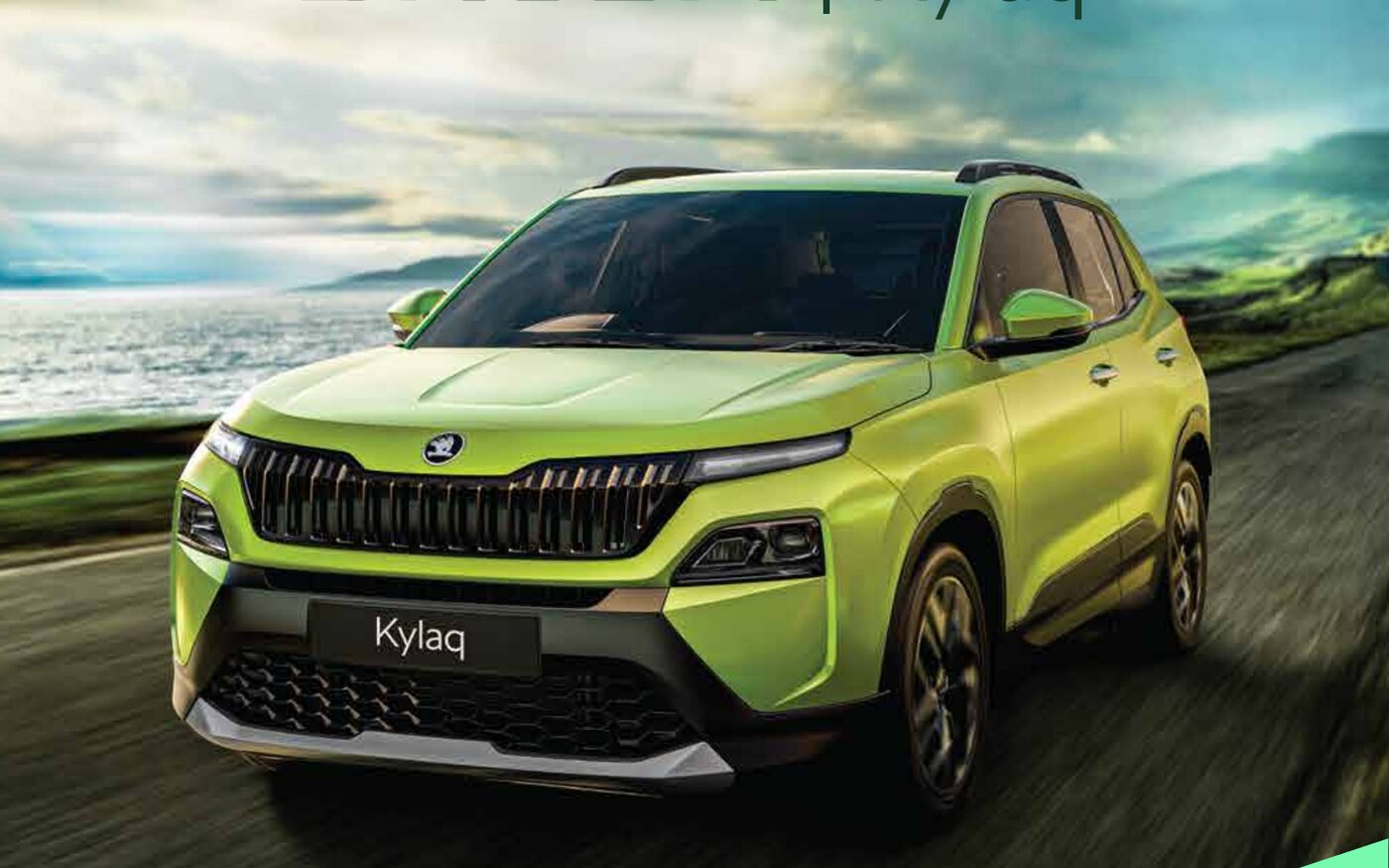
Skoda Kylaq: every variant gets the same 115 PS turbo
₹7.59 lakh buys the same 115 PS turbo fitted to the ₹12.75 lakh car. That is the opposite of how Indian ranges usually work, and it changes which variant you should be looking at.
- Ex-showroom
- ₹7.59 – 12.75 L
- Engine
- 1.0 TSI turbo petrol
- Output
- 115 PS / 178 Nm
- Wheelbase
- 2,566 mm
- Ground clearance
- 189 mm
What is good
- One engine across the range — the ₹7.59 lakh Classic gets the same 115 PS turbo as the ₹12.75 lakh Prestige
- 178 Nm from 1,750 rpm, and 189 mm of ground clearance
- 2,566 mm wheelbase, longer than most sub-four-metre rivals
What is not
- Dealer and service reach is a fraction of Maruti's or Hyundai's — check what is near you before anything else
- The automatic costs a flat ₹1 lakh at every trim, which is steep on the cheaper ones
- Resale on a low-volume badge is softer than the segment leaders'
The thing Skoda got right
Škoda is Czech — Mladá Boleslav, not Germany — and has been part of the Volkswagen Group since 1991, which is where the German association comes from. The Kylaq itself is built in India, on the same group platform as the Kushaq.
There is one engine. The 1.0 TSI — three cylinders, 999 cc, turbocharged — makes 85 kW, about 115 PS, between 5,000 and 5,500 rpm, and 178 Nm held from 1,750 all the way to 4,000 rpm.
That matters more than the number itself. In most Indian ranges the entry variant gets a weaker engine, so the cheapest car is also the slowest and the one you are steered away from. Here the ₹7,59,000 Classic has exactly the same motor as the ₹12,75,000 Prestige. You are paying for equipment, not for performance.
For context, that 178 Nm arrives earlier and runs wider than the 1.2-litre naturally aspirated engines in most rivals at this price, which typically need 4,000 rpm or more to give their best.
The numbers that shape the car
At 3,995 mm the Kylaq sits inside the sub-four-metre tax break, like almost everything it competes with. What it does differently is the wheelbase: 2,566 mm, which is longer than a Tata Punch or a Hyundai Exter and shows up as rear legroom.
Ground clearance is 189 mm, which is a real number rather than a marketing one — it is the difference between worrying about a speed breaker with four people aboard and not thinking about it.
Width is 1,783 mm and height 1,619 mm with roof rails. It is a small car that does not feel like a narrow one.
| Spec | Skoda Kylaq |
|---|---|
| Engine | 1.0 TSI turbo petrol, 999 cc |
| Max power | 85 kW (≈115 PS) @ 5,000–5,500 rpm |
| Max torqueour pick | 178 Nm @ 1,750–4,000 rpm |
| Length × width × height | 3,995 × 1,783 × 1,619 mm |
| Wheelbase | 2,566 mm |
| Ground clearance | 189 mm |
Figures from Škoda's own Kylaq brochure. The brochure dates from the car's launch because the Kylaq has not been changed since; the prices below were read from Škoda's live configurator on 29 September 2026.
What each step costs
Seven variants, four trim levels, and a pattern that is easy to read once you see it: the automatic is a flat ₹1,00,000 wherever you take it.
Classic to Signature is ₹1,84,000 and it is the important one — that is the jump out of the entry car. Signature to Signature+ is ₹1,34,000. Signature+ to Prestige is ₹98,000.
Notice the oddity in the middle: Signature+ AT at ₹11,77,000 costs ₹2,000 more than Prestige MT at ₹11,75,000. If you are undecided between a gearbox and a trim level at that price, you are choosing between two nearly identical numbers, which is worth knowing before a salesperson frames it as an upgrade.
| Variant | Gearbox | Ex-showroom |
|---|---|---|
| Classic | Manual | ₹7,59,000 |
| Signatureour pick | Manual | ₹9,43,000 |
| Signatureour pick | Automatic | ₹10,43,000 |
| Signature+ | Manual | ₹10,77,000 |
| Prestige | Manual | ₹11,75,000 |
| Signature+ | Automatic | ₹11,77,000 |
| Prestige | Automatic | ₹12,75,000 |
Ex-showroom, read from Škoda's own Kylaq configurator on 29 September 2026. Prices vary by state — confirm yours before you sign.
The question the showroom will not raise
Everything above is about the car, and the car is good. The part that decides whether you should buy one is not on the specification sheet.
Skoda's service network in India is a few hundred touchpoints. Maruti's is several thousand. In a metro, that gap is abstract — there will be a workshop within a reasonable drive either way. Outside one, it can mean a longer trip for a service, a longer wait for a part, and fewer people who have seen your car before.
So do this before you fall for it: look up your nearest Skoda service centre, and the one after that. If both are close, the Kylaq is one of the easiest recommendations in the segment. If the nearest is two hours away, that is a real cost you will pay repeatedly over five years, and it should outweigh a better torque curve.
The same logic applies to resale. A low-volume badge holds value less predictably than a Maruti or a Hyundai, and that is not a comment on the engineering.
What we would tell a friend
Buy the Signature MT at ₹9,43,000. It has the equipment you touch every day and the same engine as the top of the range, and it leaves the ₹1 lakh automatic premium on the table.
If you want two pedals, Signature AT at ₹10,43,000 is the honest step rather than climbing to Signature+ or Prestige for it.
And do the dealer check first. Not last, and not after the test drive — first. It is the only part of this decision you cannot change later.
Want this for your shortlist?
We will go through your options and tell you which one we would buy, and what to skip.
Talk to an expertRead next
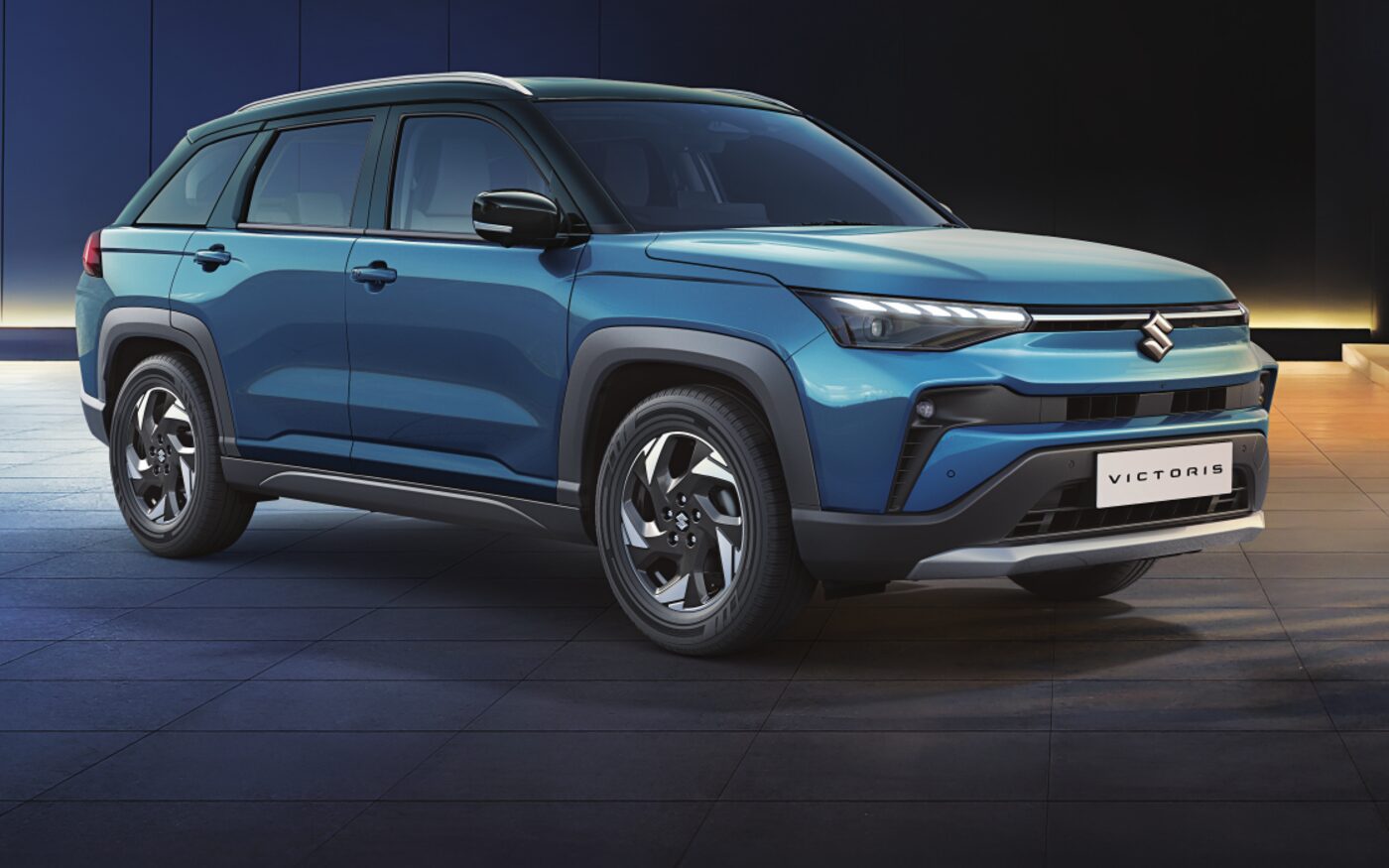
Maruti Victoris: the most complicated car Maruti has ever sold
Twenty-one variants, three powertrains, all-wheel drive, ADAS and a strong hybrid — from ₹10.50 lakh to ₹19.99 lakh. Maruti has built a Creta rival and priced it like one.

Mahindra Thar OG: 330 Nm, two doors you will regret, and no apology for either
The September 2026 facelift keeps everything that makes the Thar sell and everything that makes it impractical. If you are buying one as a family car, read the rear-seat paragraph twice.