
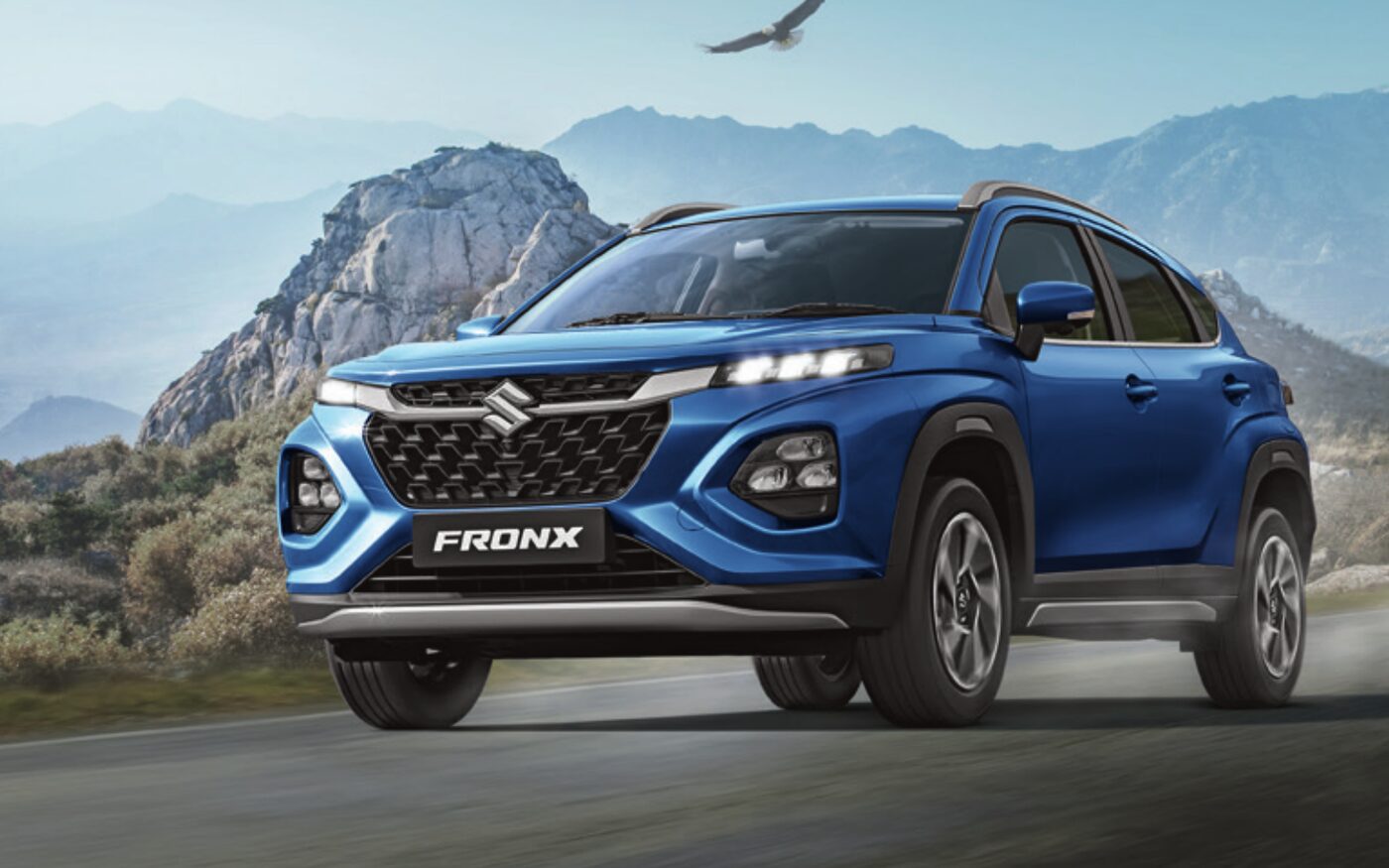
Maruti Fronx: the turbo is the only one with a real automatic
India's fourth best-selling car offers three engines and two very different automatics. The 1.2 gets an AMT; the 1.0 turbo gets a six-speed torque converter. If you drive in traffic, that is the whole decision.
- Ex-showroom
- ₹6.79 – 11.78 L
- Engines
- 1.2 petrol, 1.0 turbo, 1.2 CNG
- Turbo output
- 100 PS / 147.6 Nm
- Boot
- 308 litres
- Aug 2026 sales
- 18,730 — rank 4
What is good
- 1.0 turbo makes 147.6 Nm from 2,000 rpm and gets a six-speed torque-converter automatic
- CNG returns a claimed 28.51 km/kg with a 55-litre water-equivalent cylinder
- 308-litre boot, which is competitive for the footprint
What is not
- The turbo only starts at Delta+ — there is no cheap way into the good engine
- The 1.2's automatic is an AMT, and it feels like one
- Turbo Alpha 6AT at ₹11.78 lakh runs into Grand Vitara and Creta entry money
Why this car sells
The Fronx moved 18,730 units in August 2026, fourth in the country and up 51% on the same month a year earlier. It is, in plain terms, a Baleno with more ground clearance and a coupe-ish roofline, sold through NEXA showrooms at a small premium.
That is not a criticism. It is 3,995 mm long with a 2,520 mm wheelbase and a 308-litre boot, which means it parks like a hatchback and carries like a small SUV. For a lot of Indian buyers that is exactly the shape of the problem they are solving.
Three engines, and the one that matters
The 1.2-litre Dual Jet is the volume engine: 89.73 PS at 6,000 rpm and 113 Nm at 4,400 rpm, with a claimed 21.79 km/l on the manual. It is adequate rather than quick, and it needs revs.
The 1.0-litre Boosterjet is the enthusiast's choice and, more importantly, the automatic buyer's choice. 100.06 PS at 5,500 rpm and 147.6 Nm spread from 2,000 to 4,500 rpm — a genuinely wide, usable band — and it is barely thirstier at a claimed 21.5 km/l.
The CNG runs the 1.2 in bi-fuel form, dropping to 77.5 PS and 98.5 Nm in gas mode for a claimed 28.51 km/kg. As always with CNG, the question to ask is what the 55-litre cylinder does to your boot, not what the efficiency figure says.
| Spec | 1.2 Dual Jet | 1.0 Boosterjet | 1.2 CNG |
|---|---|---|---|
| Capacity | 1,197 cc | 998 cc | 1,197 cc |
| Max power | 89.73 PS @ 6,000 | 100.06 PS @ 5,500 | 77.5 PS @ 6,000 |
| Max torqueour pick | 113 Nm @ 4,400 | 147.6 Nm @ 2,000–4,500 | 98.5 Nm @ 4,300 |
| Gearbox | 5MT / 5AMT | 5MT / 6AT | 5MT |
| Claimed economy | 21.79 km/l (MT) | 21.5 km/l (MT) | 28.51 km/kg |
Figures from the official NEXA Fronx brochure dated 4 February 2026.
What each step costs
The range opens at ₹6,78,900 for the Sigma, which is a genuinely basic car, and the first real step is Delta at ₹7,61,200. Delta+ at ₹8,00,800 is the value rung on the 1.2 — it brings the equipment most people expect without crossing eight and a half lakh.
The turbo does not start at the bottom. The cheapest way into the Boosterjet is Turbo Delta+ at ₹8,85,900, which is ₹85,100 above the 1.2 Delta+. For a wider torque band and a better gearbox, that is money well spent.
The automatics are where the gap opens. Delta AGS — the AMT — is ₹8,11,200. The six-speed torque converter only appears on Turbo Zeta at ₹10,95,200 and Turbo Alpha at ₹11,77,900. That is a real jump, and it is the single most important number in this range if you drive in traffic every day.
| Variant | Engine | Ex-showroom |
|---|---|---|
| Sigma 1.2 5MT | 1.2 petrol | ₹6,78,900 |
| Delta 1.2 5MT | 1.2 petrol | ₹7,61,200 |
| Sigma CNG 5MT | 1.2 CNG | ₹7,72,900 |
| Delta+ 1.2 5MT | 1.2 petrol | ₹8,00,800 |
| Delta 1.2 AGS | 1.2 petrol | ₹8,11,200 |
| Delta+ 1.2 AGS | 1.2 petrol | ₹8,48,500 |
| Delta CNG 5MT | 1.2 CNG | ₹8,55,200 |
| Turbo Delta+ 1.0 5MTour pick | 1.0 turbo | ₹8,85,900 |
| Turbo Zeta 1.0 5MT | 1.0 turbo | ₹9,67,200 |
| Turbo Alpha 1.0 5MT | 1.0 turbo | ₹10,49,400 |
| Turbo Zeta 1.0 6ATour pick | 1.0 turbo | ₹10,95,200 |
| Turbo Alpha 1.0 6AT | 1.0 turbo | ₹11,77,900 |
Ex-showroom, read from NEXA's own pricing for Delhi on 28 September 2026. Metallic paint figures; dual-tone adds a little. Prices vary by state — confirm yours before you sign.
The AMT question, plainly
An AMT is a manual gearbox with a robot working the clutch. It is cheap, it is efficient, and it nods its head at every gearchange because the clutch has to open and close. Some people never stop noticing it.
A torque converter is a proper automatic. It is smoother, it is slightly thirstier, and in the Fronx it comes only with the turbo engine.
If your driving is mostly open road, the AMT is fine and saves you real money. If you sit in stop-start traffic daily, drive both back to back before you decide — this is the one thing in the range you should not take on a specification sheet.
What we would tell a friend
Manual driver on a budget: Delta+ 1.2 at ₹8,00,800. Manual driver who enjoys driving: Turbo Delta+ at ₹8,85,900, and the ₹85,100 premium is the best-value money in the range.
Automatic driver: go and sit in both. If the AMT does not bother you, Delta+ AGS at ₹8,48,500 saves you ₹2,46,700 over the Turbo Zeta 6AT. If it does bother you — and it bothers a lot of people — then the turbo automatic is the car, and you should budget for it rather than talk yourself into the cheaper one.
Want this for your shortlist?
We will go through your options and tell you which one we would buy, and what to skip.
Talk to an expertRead next
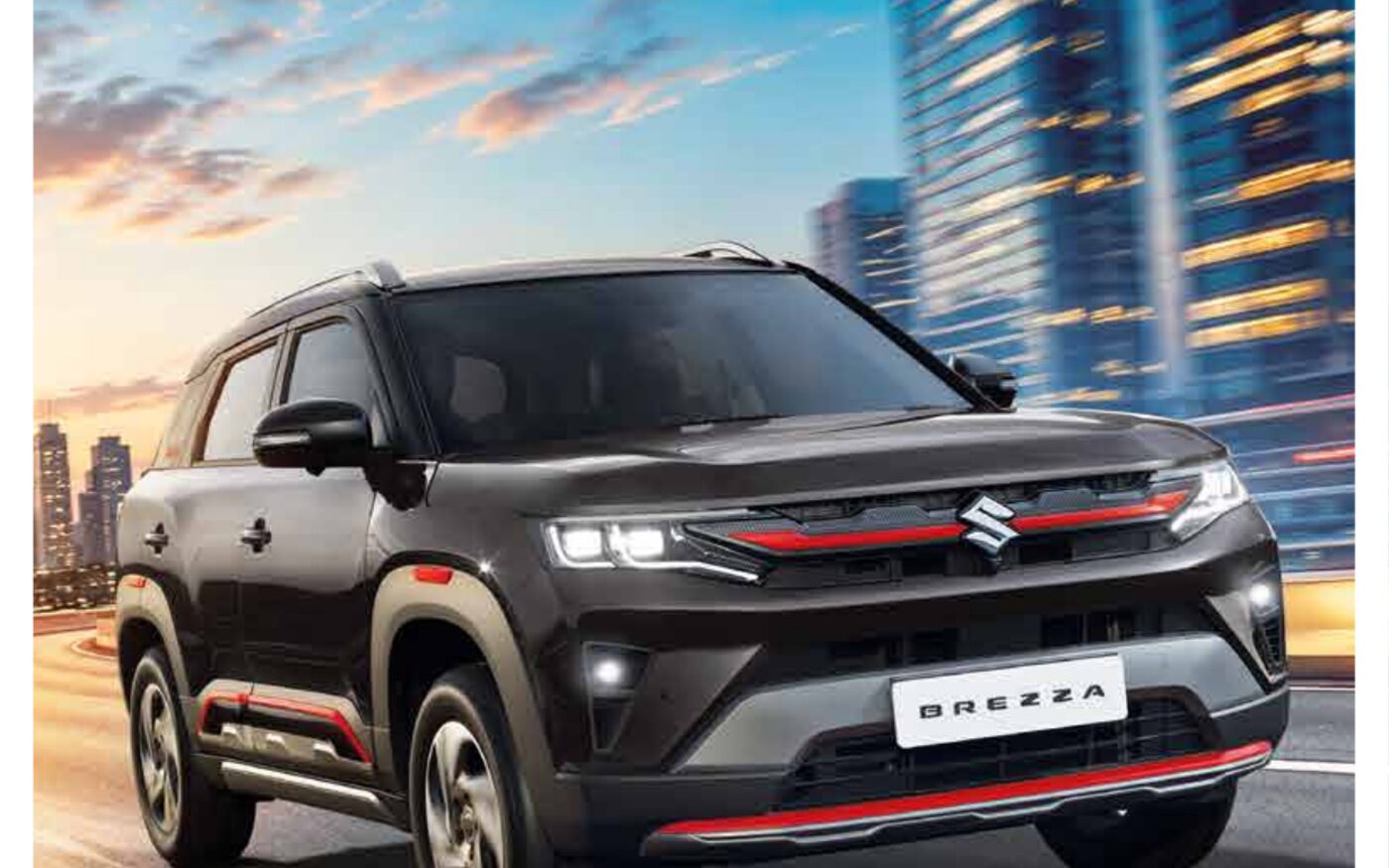
Maruti Brezza: the cheapest one in the range is now the turbo
The new 1.0 Boosterjet makes more power and far more torque than the 1.5 it sits below — and costs ₹85,000 less. That inverts the usual advice about entry variants.
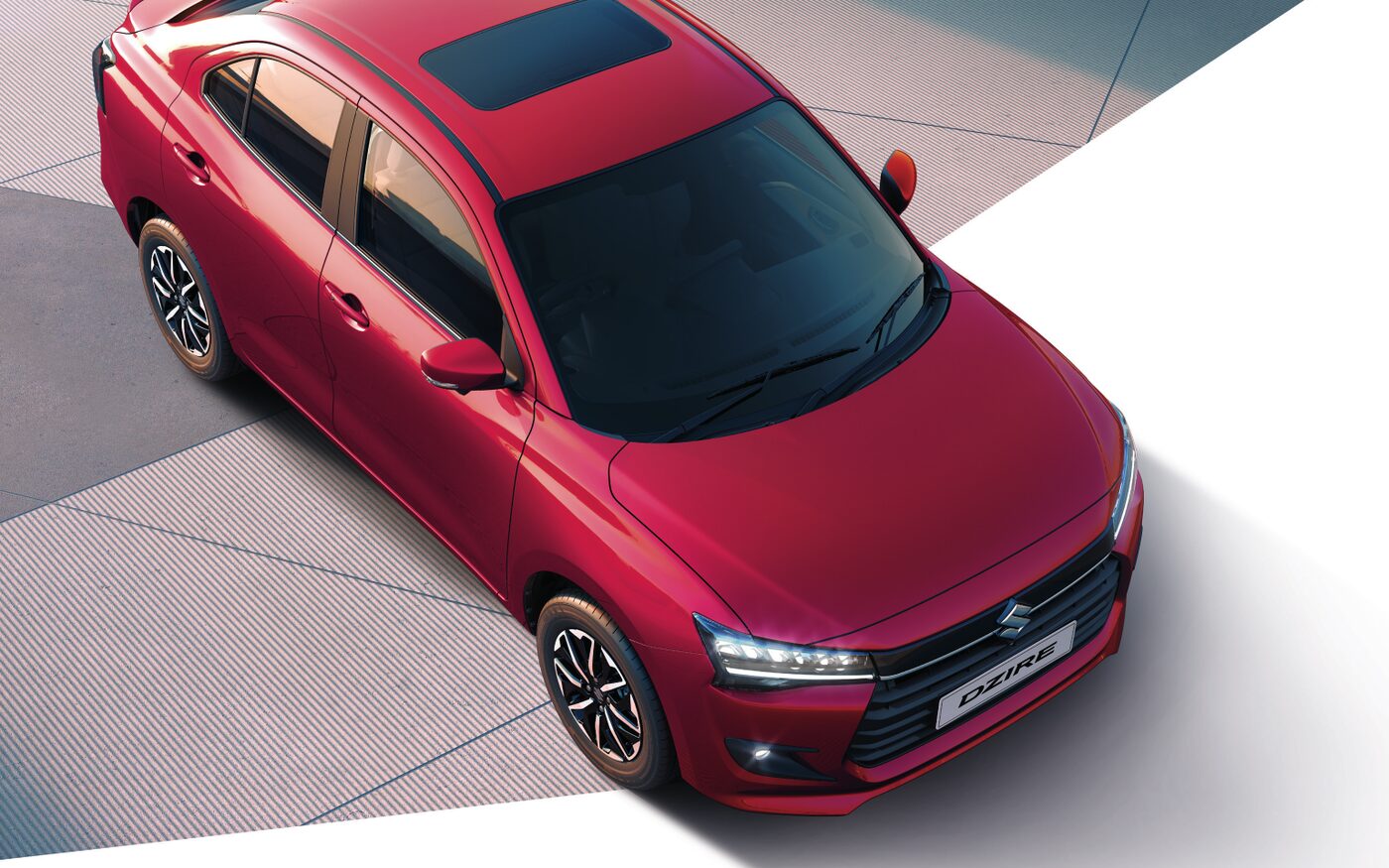
Maruti Dzire: six airbags on the cheapest one changes the advice
India's best-selling sedan now fits six airbags, ESP and hill hold to every variant including the ₹6.31 lakh LXi. That removes the usual reason to skip the entry car.