

Hyundai Exter: the CNG costs you 166 litres of boot
The petrol Exter has a 391-litre boot, which is large for the size. Choose the CNG and it becomes 225. That single number decides this car for most families.
- Ex-showroom
- ₹5.81 – 9.65 L
- Engine
- 1.2 petrol, 1.2 dual CNG
- Boot
- 391 L petrol / 225 L CNG
- Wheelbase
- 2,450 mm
- Aug 2026 sales
- 8,157 — rank 25
What is good
- 391-litre boot on the petrol, which is generous for a 3,830 mm car
- Dual-cylinder CNG keeps 225 litres of boot instead of filling it
- Opens at ₹5,80,600 — among the cheapest routes into an SUV shape
What is not
- 83 PS and 113.8 Nm — adequate, not quick, and the CNG drops to 69 PS
- The automatic is an AMT, with the pause at every upshift that implies
- Knight and dual-tone versions split the list further for about ₹15,000 of paint
Why this car sells
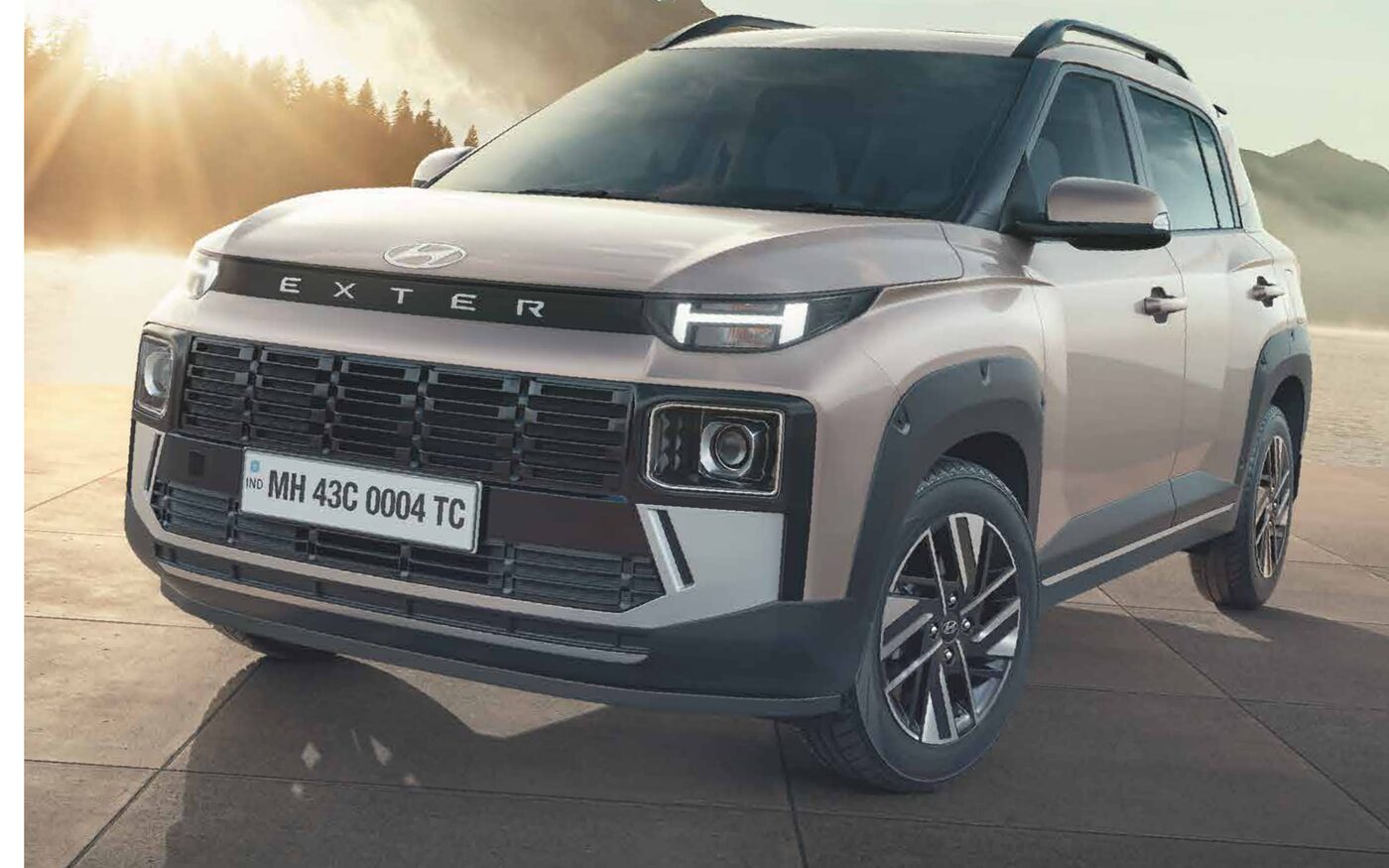
The Exter moved 8,157 units in August 2026. It is 3,830 mm long on a 2,450 mm wheelbase, 1,723 mm wide and 1,643 mm tall — small footprint, tall body, high seating position.
That shape is the whole product. It parks like a hatchback, it sits you up where you can see over traffic, and it costs hatchback money. The Tata Punch, which we have looked at separately, sells on exactly the same logic and outsells it comfortably.
The engine, plainly
One 1,197 cc four-cylinder petrol, making 61 kW — 83 PS — at 6,000 rpm and 113.8 Nm at 4,000 rpm. A five-speed manual or an AMT.
In CNG form the same engine drops to 50.5 kW, about 69 PS, and 95.2 Nm. The CNG is manual only.
Nobody should buy an Exter expecting pace. 83 PS in a tall body is enough for city work and unhurried highway running, and it needs planning when the car is full or the road climbs. That is the honest position, and it applies to most of this class.
Four cylinders is worth a note: several rivals use three, and the Exter is smoother at idle for it.
| Spec | 1.2 petrol | 1.2 dual CNG |
|---|---|---|
| Max power | 61 kW (83 PS) @ 6,000 rpm | 50.5 kW (69 PS) @ 6,000 rpm |
| Max torque | 113.8 Nm @ 4,000 rpm | 95.2 Nm @ 4,000 rpm |
| Gearbox | 5-speed manual or AMT | 5-speed manual |
| Bootour pick | 391 litres | 225 litres |
| Tank | 37 litres petrol | 60 litres water equivalent CNG |
Figures from Hyundai's official Exter brochure dated 16 September 2026.
The boot, which is the actual decision
391 litres against 225 is not a specification-sheet difference, it is a holiday difference. 225 litres takes a week's shopping and two soft bags. It does not take two hard suitcases and a pram.
Hyundai's dual-cylinder layout deserves credit here. The usual CNG compromise is a single large cylinder that eats the boot floor entirely; splitting the capacity is what keeps 225 litres usable at all. If you are comparing CNG cars, that is the question to ask — not the claimed efficiency figure, which every manufacturer quotes under ideal conditions.
The way to settle it: put your actual luggage in the boot of a CNG car at the showroom before you sign anything. Not a photo of the boot — your bags.
What each step costs
HX2 at ₹5,80,600 is the entry car. HX3 at ₹6,33,600 is ₹53,000 more. HX4 at ₹7,31,600 is where the Exter becomes a car you would choose rather than settle for, and it is where we would stop for most buyers.
Above that, HX6 at ₹8,02,600 and HX8 at ₹8,43,600 add equipment steadily. The AMT adds roughly ₹60,000–65,000 wherever you take it.
The CNG carries a consistent premium: HX2 CNG at ₹6,99,900 is ₹1,19,300 over the petrol HX2. On a car doing serious city mileage that pays back — but run the sum against your own monthly kilometres rather than the showroom's example.
Knight editions and dual-tone paint add about ₹15,000 and change nothing mechanical.
| Variant | Fuel | Ex-showroom |
|---|---|---|
| 1.2 MT HX2 | Petrol | ₹5,80,600 |
| 1.2 MT HX3 | Petrol | ₹6,33,600 |
| 1.2 AMT HX3 | Petrol | ₹6,98,600 |
| 1.2 CNG MT HX2 | CNG | ₹6,99,900 |
| 1.2 MT HX4our pick | Petrol | ₹7,31,600 |
| 1.2 CNG MT HX3 | CNG | ₹7,49,600 |
| 1.2 MT HX6 | Petrol | ₹8,02,600 |
| 1.2 AMT HX4+ | Petrol | ₹8,13,600 |
| 1.2 CNG MT HX4 | CNG | ₹8,32,600 |
| 1.2 MT HX8 | Petrol | ₹8,43,600 |
| 1.2 AMT HX6 | Petrol | ₹8,62,600 |
| 1.2 CNG MT HX6 | CNG | ₹8,99,600 |
| 1.2 AMT HX8 | Petrol | ₹9,15,600 |
| 1.2 CNG MT HX8 | CNG | ₹9,46,600 |
| 1.2 AMT HX10 | Petrol | ₹9,49,600 |
Ex-showroom Delhi, read from Hyundai India's own price page on 29 September 2026. Knight and dual-tone versions add roughly ₹15,000 and are not listed separately. Prices vary by state — confirm yours before you sign.
What we would tell a friend
Buy the petrol HX4 at ₹7,31,600 and keep the 391-litre boot. It is the variant where the Exter has what you need and none of what you do not.
If your driving is heavy city mileage and your luggage is genuinely light, the CNG HX4 at ₹8,32,600 makes sense — but go and put your own bags in one first.
And if you are looking at an Exter, drive a Punch on the same afternoon. They solve the same problem, and which one suits you is a matter of how each one feels rather than which spec sheet reads better.
Want this for your shortlist?
We will go through your options and tell you which one we would buy, and what to skip.
Talk to an expertRead next
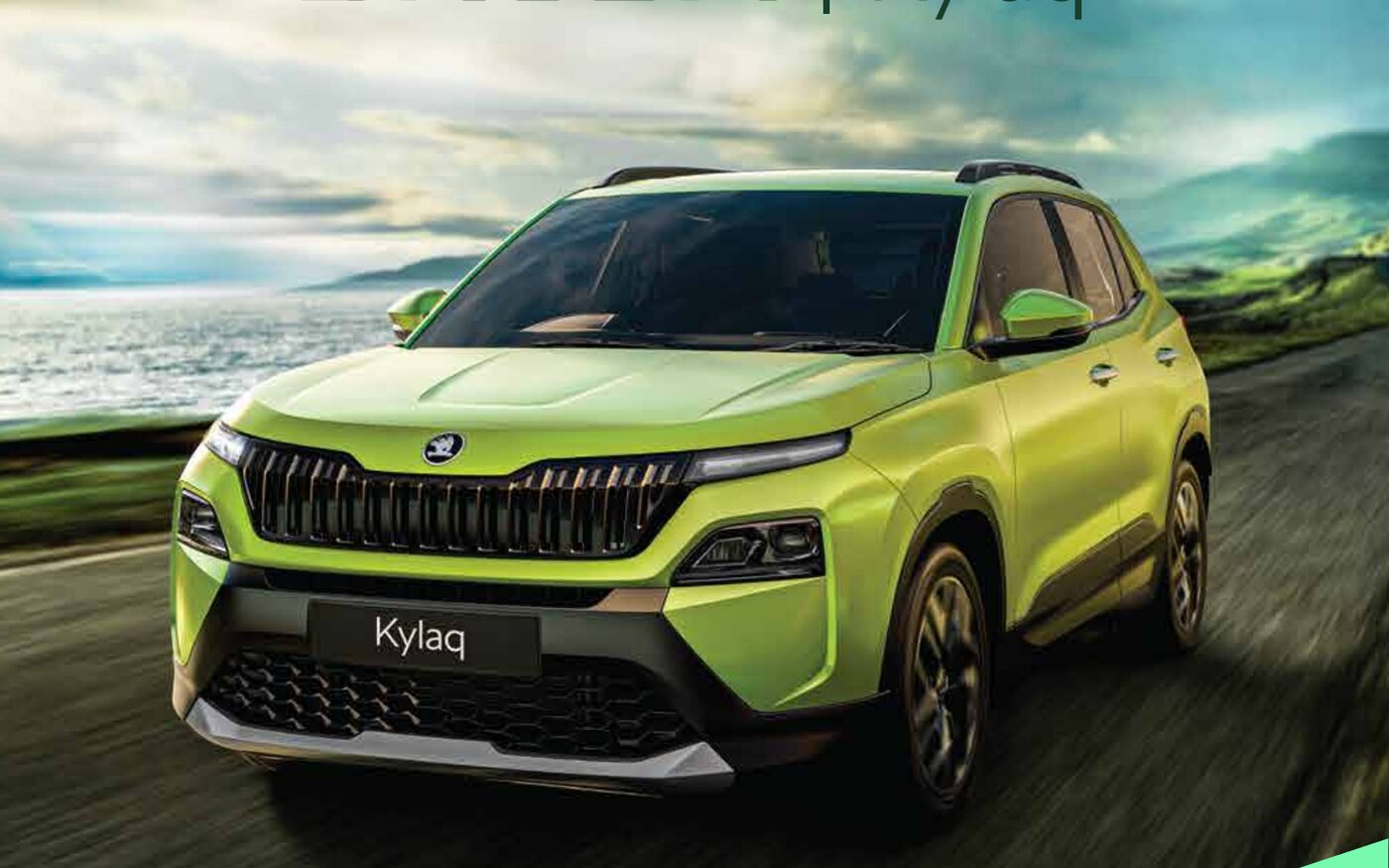
Skoda Kylaq: every variant gets the same 115 PS turbo
₹7.59 lakh buys the same 115 PS turbo fitted to the ₹12.75 lakh car. That is the opposite of how Indian ranges usually work, and it changes which variant you should be looking at.
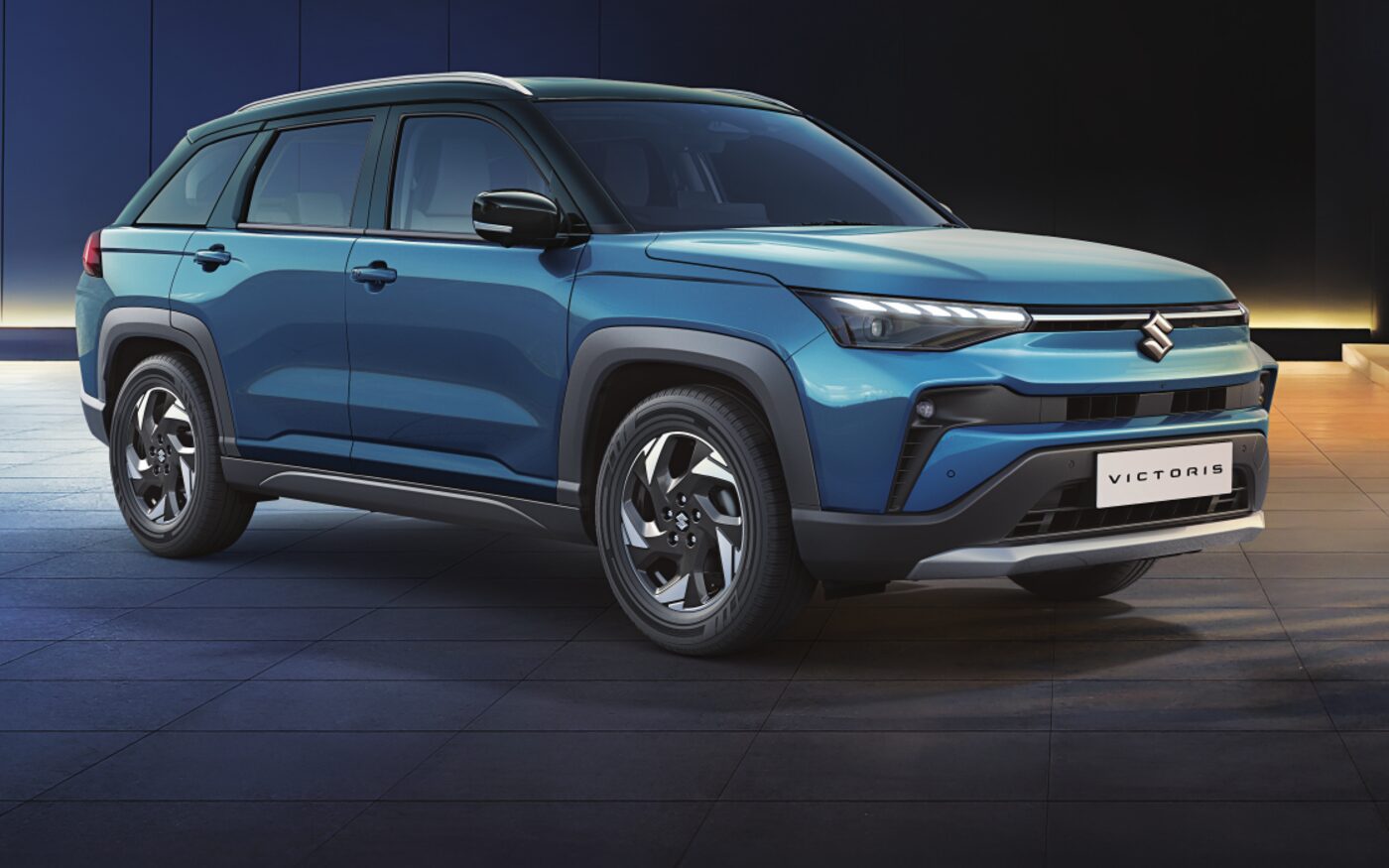
Maruti Victoris: the most complicated car Maruti has ever sold
Twenty-one variants, three powertrains, all-wheel drive, ADAS and a strong hybrid — from ₹10.50 lakh to ₹19.99 lakh. Maruti has built a Creta rival and priced it like one.